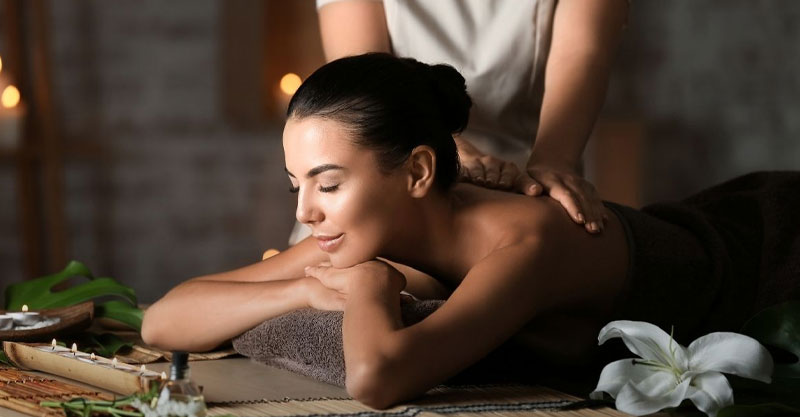
There is a pattern many people know well. Weeks become busy. Sleep becomes inconsistent. Schedules become crowded. People say things like "I just need to get through this week." Then another week appears. Then another. Eventually exhaustion becomes normal enough that people stop noticing it immediately. This is partly why conversations around wellness changed. People started realizing recovery works better before burnout arrives rather than after.
There was a time when many people grouped spa visits with luxury purchases. Something extra. Something occasional. Something reserved for vacations or special events. That thinking shifted because every day routines changed too. Work followed people home. Phones created constant interruptions. Even downtime became crowded with notifications. As life became louder, people naturally started searching for places that felt quieter. Not because they wanted extravagance. Because they wanted relief.
Many wellness trends feel overwhelming. Long routines. Strict schedules. Complicated advice. The reason smaller treatments became popular is partly because they fit into ordinary life. An appointment after work. A facial during the weekend. Threading before dinner plans. People often stick with routines when those routines actually fit into real schedules. That practicality matters. Most people are not searching for complete lifestyle reinventions. They are searching for something manageable.
There is an interesting thing people rarely talk about openly. Looking tired often makes people feel more tired. Feeling refreshed changes behavior too. Someone feels more confident during conversations. Someone stops worrying about appearance constantly. Someone simply feels more prepared walking into the day. Beauty and wellness overlap here more than many realize. People may book appointments for appearance reasons and leave noticing emotional changes instead.
Think about how often people experience genuine quiet. Not scrolling. Not multitasking. Not answering messages. Not rushing somewhere. For many people, the answer is surprisingly little. This may explain why wellness spaces feel different. People enter quieter environments. Somebody else takes over temporarily. Decisions slow down. Schedules pause briefly. These moments sound simple. They feel different when they rarely happen.
People sometimes imagine wellness as expensive retreats, difficult routines, or huge lifestyle changes. For many people, reality looks smaller. Regular appointments. Short breaks. Consistent maintenance. Moments that interrupt stress before stress builds too far. These habits rarely create dramatic transformations overnight. That does not make them unimportant. Often the smaller habits last longer.
There is still hesitation around self care sometimes. People ask whether appointments are necessary. Whether they should wait longer. Whether they should prioritize other things first. Interestingly, many people maintain almost everything else automatically. Cars get serviced. Homes get cleaned. Phones get replaced. Personal wellbeing sometimes receives less attention despite affecting everything else. This perspective changed how many people think about wellness. Less reward. More maintenance.